Does one in three European workers use AI? Nearly. In a news item published on 23 October 2026, the European Commission's Directorate-General for Employment summarises a brief from its Joint Research Centre (JRC): AI tools are now part of everyday work for around 30% of workers in the EU. What matters for students: AI skills in Europe are not keeping pace with exposure to the technology.
AI skills in Europe: who uses AI at work?
Management, professional, technical and clerical roles face the highest exposure to AI. According to the Commission, most workers with a university-level education fall into the most exposed groups. Women are heavily represented just below the top exposure band, mainly in clerical and secretarial jobs.
Yet use remains very uneven:
- only about 30% of EU enterprises with ten or more employees have adopted AI;
- around 40% of white-collar workers use AI at work, but only 6% of workers in elementary jobs;
- use is strongest in large, highly digital firms and in Northern EU countries.
In other words, many jobs that could use AI do not, especially in smaller companies and among mid-career staff. We looked at this gap on the business side in our article on AI adoption by French SMEs.
Exposure does not mean replacement
This is the most useful point in the note. Up to 2025, the Commission finds no clear link between AI exposure and unemployment, earnings or working hours in Europe. Whether AI changes or replaces a job depends on how much human skills still matter.
- High exposure and a high need for judgement, responsibility and interaction (doctors, veterinarians, professional-services managers): the job is more likely to be enhanced and needs upskilling within the same occupation.
- High exposure and a lower need for these skills (general office clerks, keyboard operators, some finance roles): a greater risk of tasks being replaced, and a need for reskilling into different occupations.
Education and training are not keeping up
Understanding AI is now part of the European Digital Competence Framework, DigComp 3.0. But only about one-third of national school curricula include AI-related competences. Around 30% of teachers have taken part in AI training, and most still lack the skills to use AI responsibly in class. Short, flexible learning options for adults, essential for mid-career workers in highly exposed jobs, remain limited even though demand is clear.
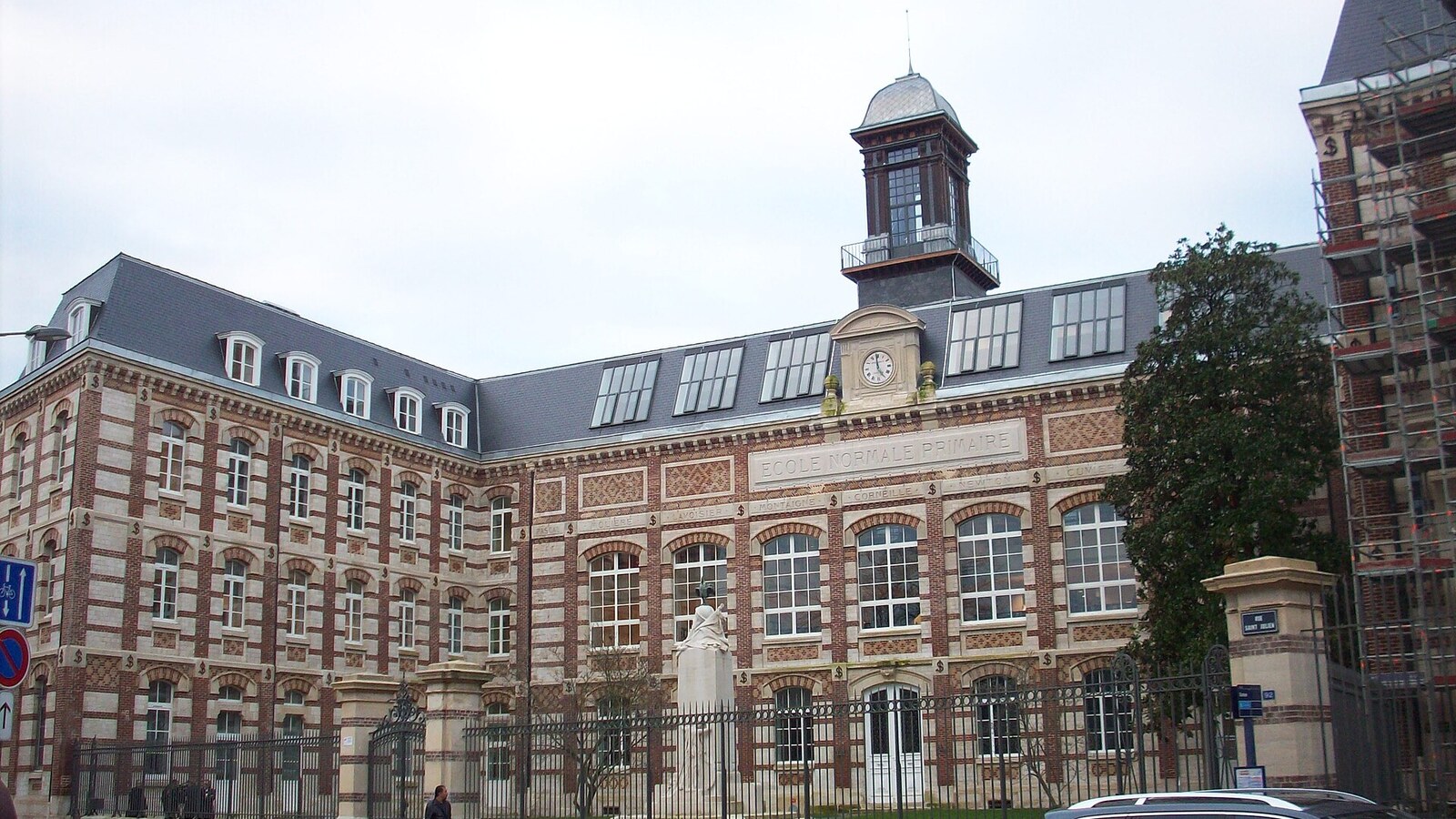
The same gap shows in higher education: the University of Rouen chose to set rules rather than ban AI, with a university AI charter that covers students and staff alike.
EU responses: the Pact for Skills, ARISA and the Finnish example
The Commission points to the Pact for Skills and the Artificial Intelligence Skills Alliance (ARISA), which support large-scale partnerships, micro-credentials and sector-specific pilots. It highlights Finland's National AI Upskilling Initiative: more than 2,000 practical training sessions for SMEs in automotive services, agriculture, logistics, tourism and cleaning, meant to reduce the gap in AI use between large and small firms. Finland, already central to our analysis of data centres and AI investment, is also playing the skills card.
What it means for students
We are, by definition, in the most exposed group: higher-education graduates, future managers, future office professionals. Three practical consequences.
- Knowing how to use AI is becoming a baseline skill, not a bonus; learning it methodically beats learning alone.
- What protects and adds value, according to the note, is judgement, responsibility and human interaction: worth building as much as tool skills.
- Gaps in equipment and training between institutions, firms and regions are an equality issue that local and national public bodies have an interest in tackling.
The Commission's conclusion is clear: Europe must expand AI training and support for SMEs and mid-career workers so more people and companies can make effective use of AI at work.
Sources
AI and skills in Europe – Closing the adoption gap, European Commission, DG Employment, 23 October 2026; AI and skills – Brief note, Joint Research Centre. Photo: Panek, CC BY-SA 4.0, Wikimedia Commons.